Aims and Scope
Nexus Science Review (NEXUS) is an international, peer-reviewed, open-access scholarly journal dedicated to the publication of high-quality research across multiple fields of knowledge, with particular interest in studies that contribute to scientific advancement, interdisciplinary dialogue, and the application of knowledge to contemporary challenges.
The journal provides a platform for researchers, academics, professionals, and scholars from different countries and disciplines to disseminate original findings, critical analyses, methodological developments, and evidence-based perspectives.
Aims
NEXUS aims to:
- promote the dissemination of rigorous and relevant scientific research;
- encourage interdisciplinary and multidisciplinary collaboration;
- support the exchange of knowledge between different scientific fields and professional communities;
- provide international visibility for research with scientific, technological, educational, social, environmental, or practical relevance;
- encourage methodological transparency, research integrity, reproducibility, and responsible scientific communication;
- facilitate open access to scholarly knowledge without barriers to readers;
- contribute to the development and international circulation of research from diverse geographic, institutional, and academic contexts.
The journal particularly values manuscripts that demonstrate a clear research question, appropriate methodological design, transparent analysis, engagement with current scientific literature, and a meaningful contribution to the field.
Scope
Nexus Science Review welcomes manuscripts within the following broad areas:
Health and Life Sciences
Research related to:
- medicine and clinical sciences;
- public and global health;
- nursing and healthcare;
- biomedical sciences;
- pharmacy and pharmacology;
- nutrition;
- physiology and biochemistry;
- biotechnology;
- biological sciences;
- epidemiology;
- health technologies;
- healthcare management and policy.
Natural and Environmental Sciences
Research involving:
- chemistry;
- physics;
- biological sciences;
- environmental sciences;
- ecology and biodiversity;
- climate and sustainability;
- geosciences;
- natural resources;
- agricultural and food sciences;
- environmental technologies.
Engineering, Technology and Computing
Studies addressing:
- engineering and applied sciences;
- computer science;
- artificial intelligence;
- data science;
- machine learning;
- information systems;
- software engineering;
- automation and robotics;
- materials science;
- energy technologies;
- industrial processes;
- technological innovation;
- digital transformation.
Social Sciences and Humanities
Research concerning:
- sociology;
- psychology;
- anthropology;
- political and social studies;
- communication;
- culture;
- history;
- philosophy;
- human development;
- public policy;
- interdisciplinary studies involving society, science, and technology.
Education and Educational Research
Topics may include:
- teaching and learning;
- higher education;
- educational technologies;
- curriculum development;
- assessment;
- teacher education;
- educational innovation;
- digital learning;
- inclusion and accessibility;
- educational policy and management.
Economics, Management and Organizational Studies
Research related to:
- economics;
- business administration;
- entrepreneurship;
- innovation management;
- organizational studies;
- finance;
- accounting;
- public management;
- sustainability management;
- strategy;
- technology and organizational transformation.
Interdisciplinary Research
Because of its multidisciplinary nature, NEXUS particularly encourages research located at the intersection of two or more disciplines.
Priority may be given to studies capable of connecting different areas of knowledge to address complex scientific or societal questions, including topics such as:
- artificial intelligence and society;
- digital health;
- sustainability and technological innovation;
- health and education;
- environmental health;
- science, technology, and society;
- data-driven research;
- interdisciplinary approaches to global challenges.
Types of Manuscripts
NEXUS may consider, subject to its editorial policies:
- Original Research Articles;
- Review Articles;
- Systematic Reviews;
- Meta-Analyses;
- Scoping Reviews;
- Case Studies;
- Short Communications;
- Technical or Methodological Articles;
- Perspectives and scholarly analyses.
All submissions must demonstrate academic relevance and comply with the journal's editorial, ethical, methodological, and reporting standards.
Editorial Scope and Quality Criteria
The multidisciplinary scope of NEXUS does not imply automatic eligibility of manuscripts from every academic field.
Submitted manuscripts must:
- present a clearly defined scholarly contribution;
- demonstrate methodological and/or conceptual rigor;
- be supported by appropriate and current scientific literature;
- clearly describe the methods or analytical approach employed;
- present conclusions supported by the evidence or arguments provided;
- comply with applicable ethical and research-integrity standards;
- be relevant to an international or broader scholarly audience.
Manuscripts that are predominantly descriptive, insufficiently supported by scientific evidence, methodologically inadequate, outside the journal's academic scope, or lacking a clear contribution to knowledge may be declined during editorial screening.
International and Open Science Perspective
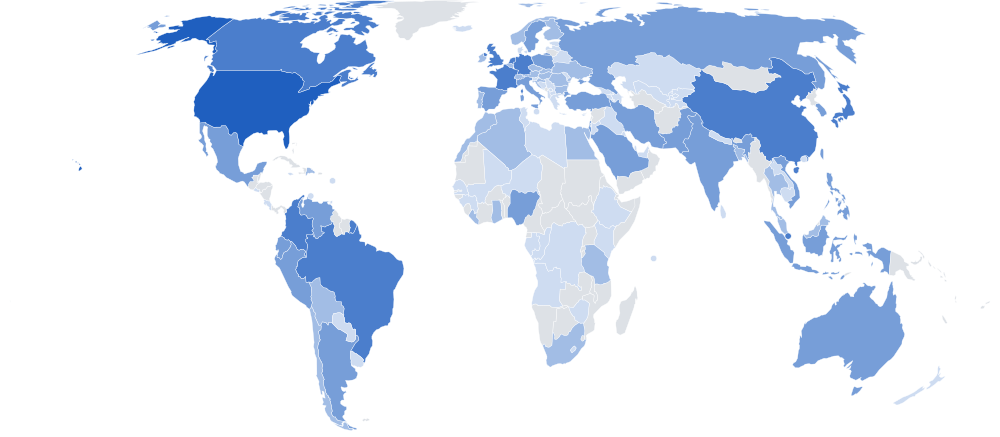
NEXUS welcomes submissions from researchers worldwide and supports diversity in geographic, institutional, methodological, and disciplinary perspectives.
The journal is committed to open science, research integrity, transparency, responsible authorship, ethical publishing practices, and long-term accessibility of the scholarly record.
Through its international and multidisciplinary approach, Nexus Science Review seeks to serve as a meeting point between disciplines, methods, and scientific communities, fostering research that advances knowledge and strengthens connections across contemporary science.